
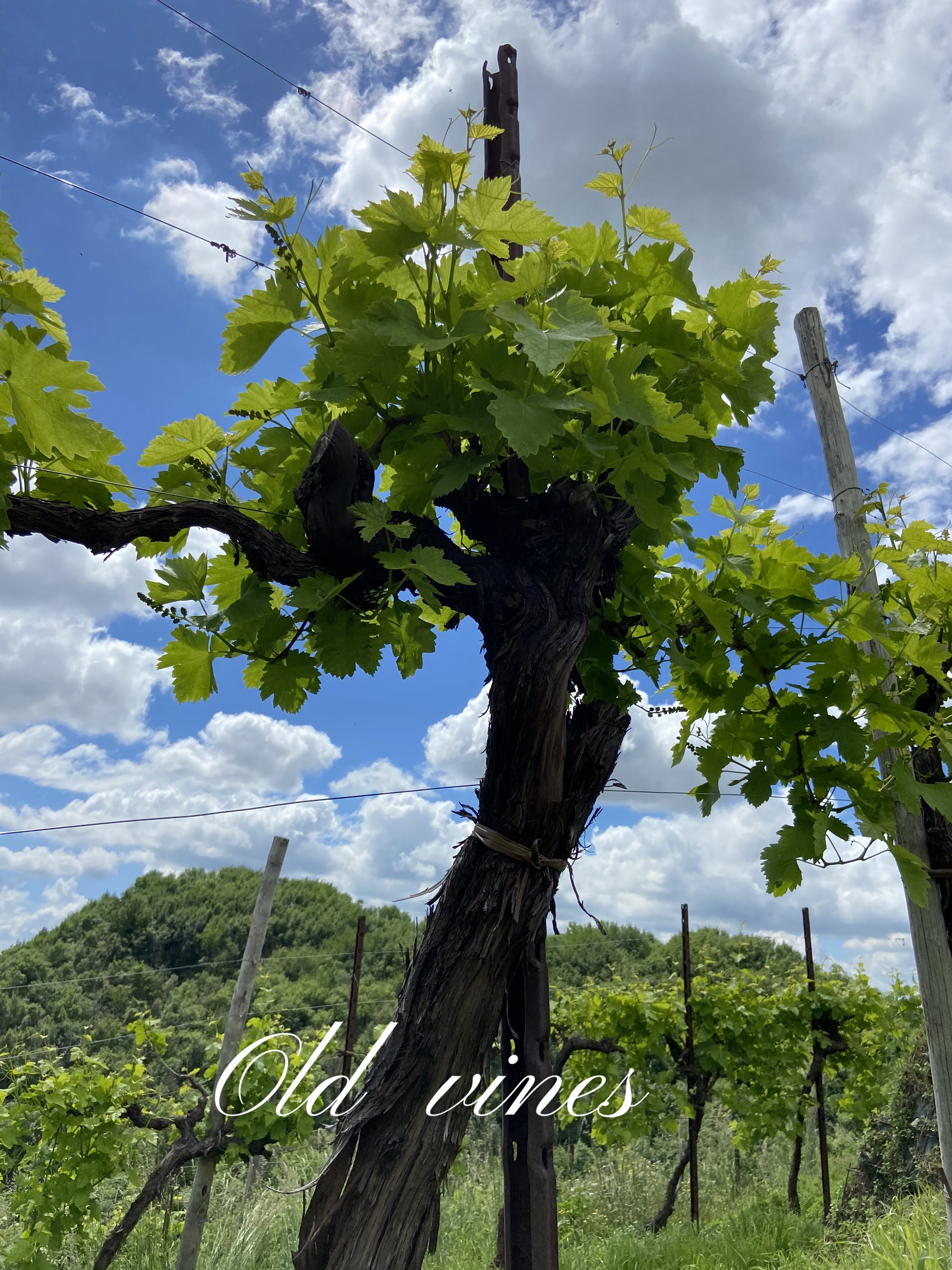
Old Vines: The Living Memory of the Prosecco Hills
Old Vines Prosecco Hills – History, War, and Resilience in Conegliano Valdobbiadene
There are vines in these hills that have survived things no plant should survive.
Not just frost and drought. Not just the slow erosion of time. But war. Disease. Abandonment. And the particular silence that falls over a landscape when almost everyone has left.
That these vines are still here is not a miracle. It is a choice — made quietly, stubbornly, by the oldest hands in the valley.
First, the disease.
At the end of the nineteenth century, a tiny insect called phylloxera swept across Europe and destroyed almost everything. In the hills between Conegliano and Valdobbiadene, vineyards that families had tended for generations were gone within years. The soil was there. The terraces were there. The knowledge was there. But the vines were dead.
Almost all of them.
A few survived — in isolated corners of the hillside, for reasons that science can partially explain and poetry cannot. These survivors became the seed of everything that came after.
Then, the war.
The hills of Conegliano and Valdobbiadene sit just kilometres from the Piave river — the line where, in June 1918, one of the most devastating battles of the First World War was fought. The Battle of the Solstice shook the ground for miles. What the phylloxera had not taken, the war came close to finishing.
Families replanted after 1918. They grafted new vines onto American rootstock, resistant to the insect that had nearly erased them. They waited years for the first harvest. They did not ask whether it was worth it.
Then came the Second World War. And after that, something quieter and in its own way just as transformative — emigration.
The ones who stayed.
When the wars ended, the young left. They went to Switzerland, to France, to South America — many to Brazil, where Venetian communities still exist today. The hills of the Prosecco were steep and hard and offered no shortcuts. An entire generation turned its back on the vines.
But the oldest farmers stayed.
They had no intention of leaving. These were their hills, their rows, their seasons. They had already lived through too much to abandon what little remained. So they kept working — slowly, by hand, on slopes that machines could not reach — tending vines that were growing older alongside them.
Those vines are still here today.
What old vines remember.
The oldest vines in the Conegliano Valdobbiadene UNESCO hills are 90 to 100 years old. They were planted by people who are long gone, in soil that had already been through devastation and renewal. Their roots descend deep into the limestone and clay, into layers of ancient seabed, finding water and minerals that younger vines cannot yet reach.
The average age of vines across these hills is 45 years — extraordinary by any global standard.
An old vine produces less. Smaller clusters, fewer grapes, lower yields. But every berry carries a concentration of character — mineral, restrained, quietly complex — that no young vine can imitate. Age cannot be accelerated. It can only be waited for, and protected.
The farmers who keep these old vines today are making an economic sacrifice and a cultural declaration at the same time. They are saying: this vine was here before me. It will be here after me.
A school that never gave up either.
In 1876 — before the phylloxera, before the wars, before the emigration — a chemist named Antonio Carpenè and an engineer named Giovanni Battista Cerletti founded the first enological school in Italy, right here in Conegliano. Today, a marble bust of Carpenè still stands at the entrance of the school that bears Cerletti's name — one of only six enological schools still active in Italy.
The school survived everything these hills survived. It is still teaching. Still researching. Still believing in this land.
Just like the vines.
When you walk these hills with me, you will pass vines older than anyone living can remember planting. Their trunks are thick and gnarled, their roots invisible but immense. They do not ask for recognition. They simply continue — as they have always continued — through everything.
A glass of old vine Prosecco from these hills is not just a wine. It is the patience of farmers who stayed when everyone else left. The resilience of a landscape that refused to disappear. The quiet memory of hands that never stopped working.
Some things survive because they are protected. These vines survived because they were loved.
www.orianancc.it Prosecco Hills Wine tour near Venice